

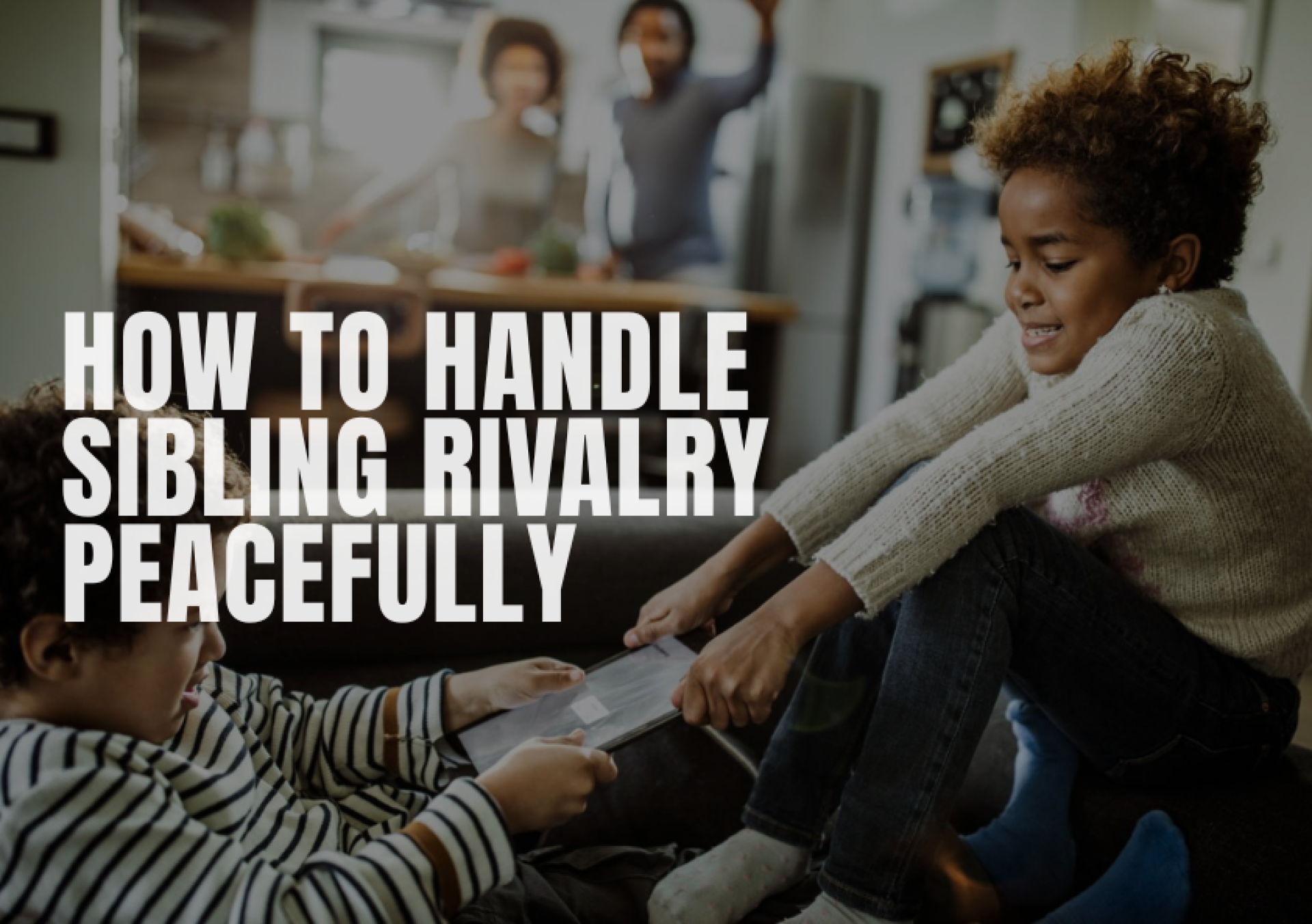
Sibling rivalry is something every parent recognizes. The sudden shouting, the tears, and the familiar “That’s mine!” can make any home feel chaotic. At times, it may seem like harmony is impossible.
However, sibling rivalry is not always negative. It is a natural part of family life and, when supported thoughtfully, it becomes an opportunity for children to learn empathy, patience, conflict resolution, and cooperation.
In today’s vlog, I want to share practical and mindful ways parents can approach sibling rivalry with calm and connection rather than control and overwhelm.
Step 1: Look Beneath the Conflict
When children fight, it is easy to focus on the surface issue. We see the toy, the teasing, or the yelling. But beneath that moment is usually a deeper need.
A child may feel left out.
Another may feel unseen or unheard.
Sometimes they are simply tired, hungry, or overstimulated.
Sibling rivalry often communicates “I need attention” or “I need support.”
When I began approaching conflicts with curiosity by asking, “What is happening here?” or “How are you both feeling?” everything softened. It did not solve every conflict immediately, but it helped children feel understood. This is the first step toward peaceful resolution.
Step 2: Stay Neutral
Many parents instinctively jump in to correct or defend one child. Statements like “You are older, you should know better” or “Stop annoying your sister” may seem efficient, but they often escalate resentment.
Staying neutral creates a safer space. I now say, “I can see you are both upset. Let us talk about what happened.” This shifts the role from referee to guide. When parents remain calm and neutral, children learn to communicate more effectively instead of relying on blame.
Step 3: Help Them Name Their Feelings
Children often act out because they lack the language to express their emotions. They may feel angry, jealous, or disappointed but do not yet know how to communicate these feelings.
I try to name their emotions for them in the moment.
“You are frustrated because your toy was taken.”
“You are sad because you wanted a turn.”
Hearing their emotions reflected back helps them regulate more quickly. Over time, they begin to use words instead of physical reactions. This is meaningful emotional growth.
Step 4: Avoid Comparisons
Comparing children, even casually, can create deep emotional wounds. Phrases like “Why can’t you behave like your brother?” or “Look how nicely your sister shares” may unintentionally cultivate insecurity and resentment.
Every child is unique. One may be naturally calm while another is energetic and expressive. Each temperament has its strengths and challenges.
Instead of comparing, I focus on individuality. I remind them, “Both of you bring something valuable to this family.” This reinforces security and belonging.
Step 5: Set Clear and Gentle Boundaries
Peaceful parenting does not mean an absence of structure. Boundaries help children feel safe and supported.
In our home, we follow a few simple rules:
• We do not call each other names.
• We take turns and share.
• When we feel angry, we take space and cool off.
These rules promote respect rather than control. When conflicts arise, I simply remind them, “Remember our rule about kind words.” This keeps expectations consistent without yelling or criticism.
Step 6: Fill Their Attention Buckets
Sibling rivalry increases when a child feels emotionally empty or overlooked. If one child feels less valued, they often seek attention through conflict.
I try to spend one-on-one time with each child every day. Even a short moment such as reading together or chatting before bed can make a significant difference.
These small connections communicate, “You matter.” When children feel secure, rivalry naturally decreases.
Step 7: Encourage Teamwork, Not Competition
Instead of activities that encourage comparison, I try to create opportunities for collaboration. We bake together, clean together, or play games that require teamwork.
When they work well together, I acknowledge it by saying, “You two worked as a great team today.” This positive reinforcement helps them see each other as partners rather than opponents.
Step 8: Model Calm Behavior
Children imitate what they see more than what they hear. If I respond with calmness, they eventually learn to do the same.
When voices rise, I lower mine. When frustration builds, I pause and take a breath. This models emotional regulation, which then becomes visible in their interactions.
Peace begins with the adult.
Step 9: Acknowledge Peaceful Moments
When children resolve a conflict, share, or apologize, I give positive feedback.
“I appreciate how you worked that out together.”
Recognizing peaceful behavior strengthens their confidence and encourages them to use these skills again.
Step 10: Know When to Step Back
Not every disagreement requires parental intervention. If both children are safe and the conflict is not harmful, I sometimes step back and allow them to problem-solve independently.
Children often surprise us with their ability to negotiate when given space. However, if the interaction becomes physical or unkind, that is the time to guide and support.
Peaceful parenting is not passive. It is grounded, intentional, and consistent.
Final Thoughts
Sibling rivalry is a normal and meaningful part of childhood. It helps children learn how to share space, communicate needs, navigate emotions, and build relationships.
Our role is not to remove conflict entirely but to guide children toward connection, understanding, and calm problem-solving.
The next time you hear “That is mine!” echoing from another room, take a breath and remember that this is not just noise. It is part of growing up, part of learning, and part of family life. With patience and presence, these moments can become powerful lessons in love and connection.